The Rise of Shipping Container Construction: A Transformative Approach to Modern Building
In the last few years, innovative construction methods have concerned the leading edge, providing sustainable, inexpensive, and unique alternatives to traditional building practices. Among these developments, shipping container construction has quickly gained appeal. This method leverages used shipping containers, repurposing them into functional areas ranging from homes and offices to pop-up shops and neighborhood centers. This article goes over the benefits, obstacles, and procedures of shipping container construction while answering often asked concerns about this revolutionary building practice.
What is Shipping Container Construction?
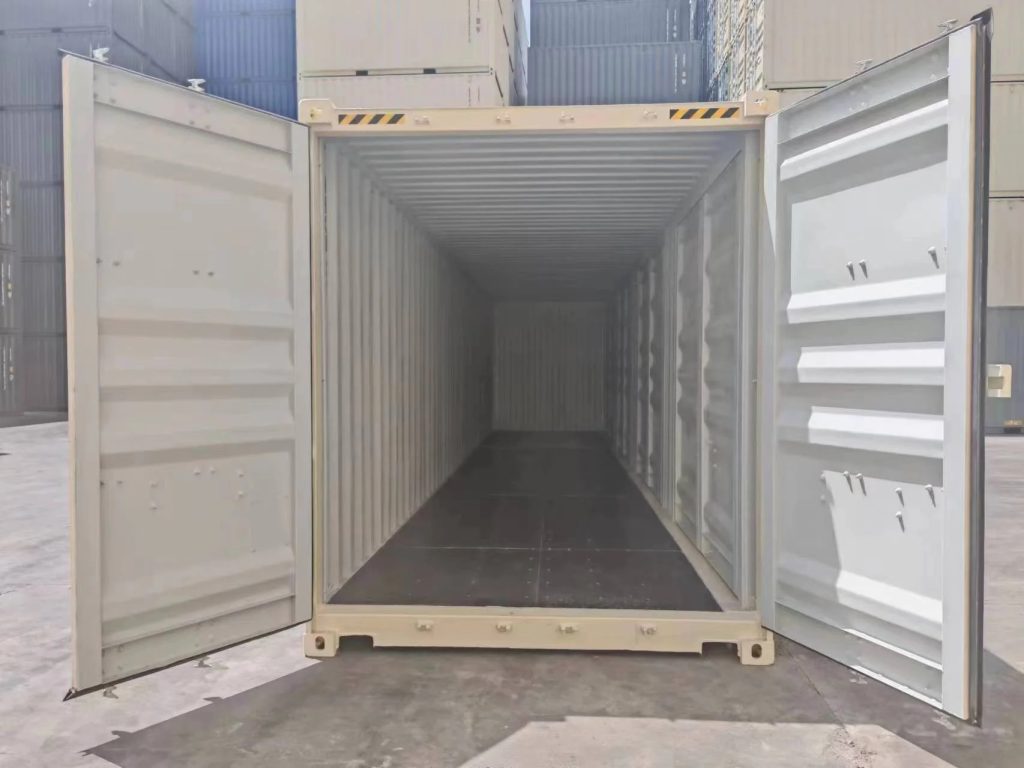
Shipping container construction includes making use of intermodal containers, frequently called shipping containers, as the main structure product. These robust metal boxes are developed to hold up against extreme conditions at sea, making them long lasting and sustainable for construction functions. The versatility of shipping containers enables innovative styles in architecture, contributing to a wide variety of applications.
| Container Type | Dimensions (L x W x H) | Square Footage | Weight |
|---|---|---|---|
| 20-foot standard | 20' x 8' x 8.5' | 160 sq. ft. | 5,000 lbs |
| 40-foot requirement | 40' x 8' x 8.5' | 320 sq. ft. | 8,000 pounds |
| 40-foot high cube | 40' x 8' x 9.5' | 320 sq. ft. | 8,400 pounds |
| 45-foot high cube | 45' x 8' x 9.5' | 360 sq. ft. | 9,000 lbs |
Advantages of Shipping Container Construction
1. Sustainability
Utilizing repurposed containers lowers waste, as lots of containers remain unused or deserted after their initial shipping service. This practice is not only eco-friendly but is also a smart method to decrease the carbon footprint connected with traditional building materials.
2. Price
Shipping container homes or structures can provide significant cost savings compared to conventional construction approaches. The containers themselves can often be bought at a fraction of the rate of standard building materials. Moreover, their modular design can lower labor expenses and construction time.
3. Rapid Construction
Container construction permits faster conclusion times. Many parts, such as insulation, plumbing, and electrical systems, can be prefabricated in a factory before being carried and assembled on-site. Shipping Container Office can significantly reduce the general project timeline.
4. Design Versatility
Containers can be stacked, integrated, and personalized according to particular requirements. Shipping Container Modifications can prosper with shipping containers, leading to unique and innovative structures. This approach enables designers and contractors to think outside package-- literally!
5. Mobility
Shipping container structures can be transferred quickly, permitting relocation if essential. This attribute is particularly beneficial for momentary jobs or mobile services like food trucks or pop-up events.
6. Sturdiness
Shipping containers are created to withstand the rigors of sea travel, making them exceptionally resilient. They can endure extreme climate condition and need very little maintenance, guaranteeing longevity.
7. Security
The robust steel structure of shipping containers supplies excellent security against theft or vandalism. They can be fitted with locks and security systems, making them a safe choice for storage or living spaces.
Obstacles of Shipping Container Construction
1. Building Regulations and Regulations
Regional building codes can often prevent container construction due to zoning restrictions or safety concerns. It is important to inspect with local authorities concerning regulations before beginning a project.
2. Insulation and Temperature Control
Metal containers can be susceptible to extreme heat in summertime and cold in winter. Appropriate insulation and ventilation systems are important to ensure comfy living and working conditions.
3. Structural Modifications
Cutting and customizing containers for windows, doors, and internal designs needs mindful planning and execution. It is crucial to maintain structural integrity while creating for performance.
4. Restricted Financing Options
Regardless of lower costs, some banks might be hesitant to finance shipping container projects due to their unconventional nature. Discovering loan providers knowledgeable about container construction might present an obstacle.
Process of Shipping Container Construction
1. Planning and Design
Before starting any job, in-depth preparation and design are essential. This stage includes figuring out the purpose of the structure, choosing the type and number of containers, and developing the design.
2. Acquisition of Containers
Containers can be sourced from shipping companies, container dealers, or online marketplaces. Inspecting containers for structural integrity and examining any needed repairs is vital.
3. Site Preparation
Preparing the construction website might include grading, leveling, and laying a foundation. While containers are tough, a solid base is typically suggested to assist in drain.
4. Modifications and Customizations
This phase involves cutting the containers for doors, windows, and other openings, in addition to including insulation or soundproofing products. Plumbing, electrical, and framing work are usually finished at this moment.
5. Assembly
Containers are transported to the site and positioned in their established arrangement. At this stage, structural connections are made, and extra parts are set up.
6. Finishing Touches
The last of the procedure includes interior and exterior ending up work, consisting of painting, floor covering, kitchen cabinetry, and landscaping to develop a total and functional living or work space.
Regularly Asked Questions (FAQ)
Q1. Are shipping container homes legal to construct?
A1. Structure codes and zoning laws differ by location. Constantly inspect local policies and obtain needed permits before starting construction.
Q2. Just how much does it cost to build a shipping container home?
A2. The cost can differ commonly depending upon the size, design, location, and customization. Basic container homes can start around ₤ 10,000, while more sophisticated styles can surpass ₤ 100,000.
Q3. How many shipping containers do I need?
A3. The number of containers required will depend on the desired size and layout of the structure. A little single-container home can be enough, while larger structures might require multiple containers.
Q4. Can I finance a shipping container task?
A4. Financing alternatives may be limited. It's advisable to research lending institutions who have experience with non-traditional building approaches.
Q5. How are shipping container homes insulated?
A5. Insulation can be used inside or outside the container. Materials like spray foam, stiff foam, or wool can provide reliable insulation and add to energy performance.
Shipping container construction is redefining contemporary architecture by blending sustainability, creativity, and practicality. While there are difficulties to think about, the benefits of utilizing shipping containers in building tasks make them an appealing choice for property owners, organizations, and developers alike. As this construction technique continues to develop, it uses a glimpse into the future of building-- one where sustainability and innovation go hand in hand.